
Recreation Safety
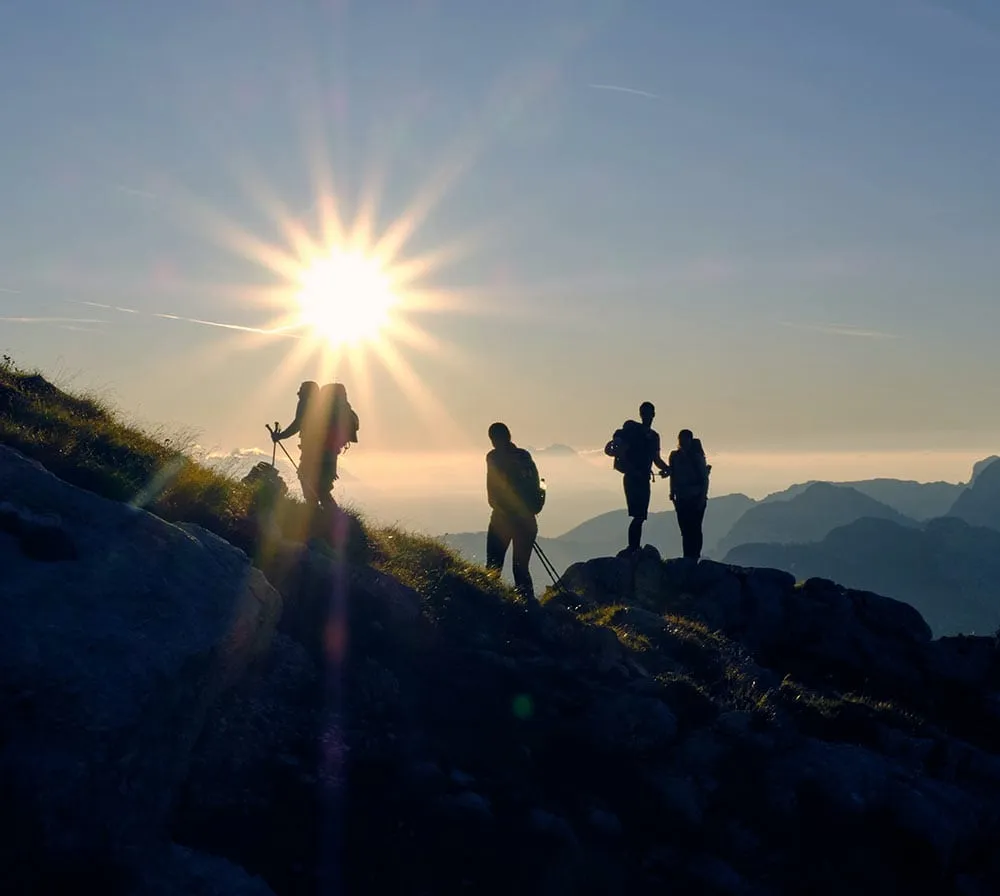
Hiking
- Hike in a group
- Make noise/talk/sing as you walk
- Keep dog on leash
- Carry bear spray
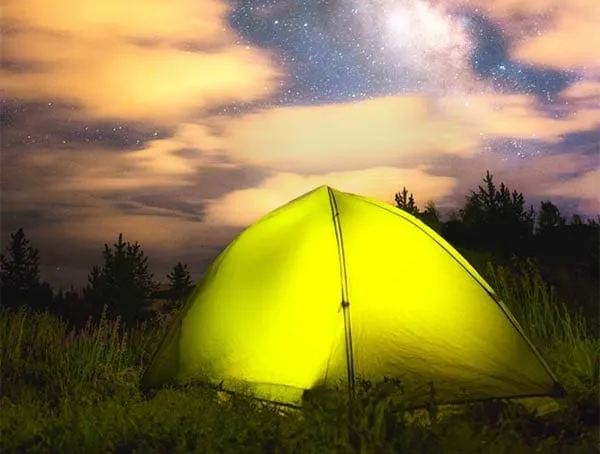
Camping
- Do not store food items where you are sleeping
- Do not keep scented items on you or your camp
- Keep a clean campsite
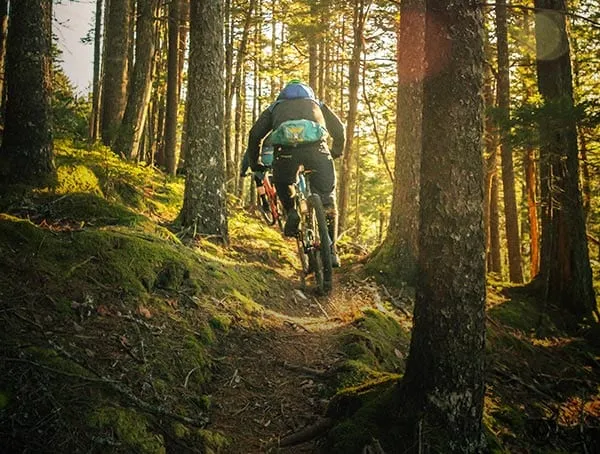
Biking
- Tape a pair of "googly eyes" to the back of your helmet
- Remain on your bike as long as possible
- If needed, use your bike as a barrier between you and an animal
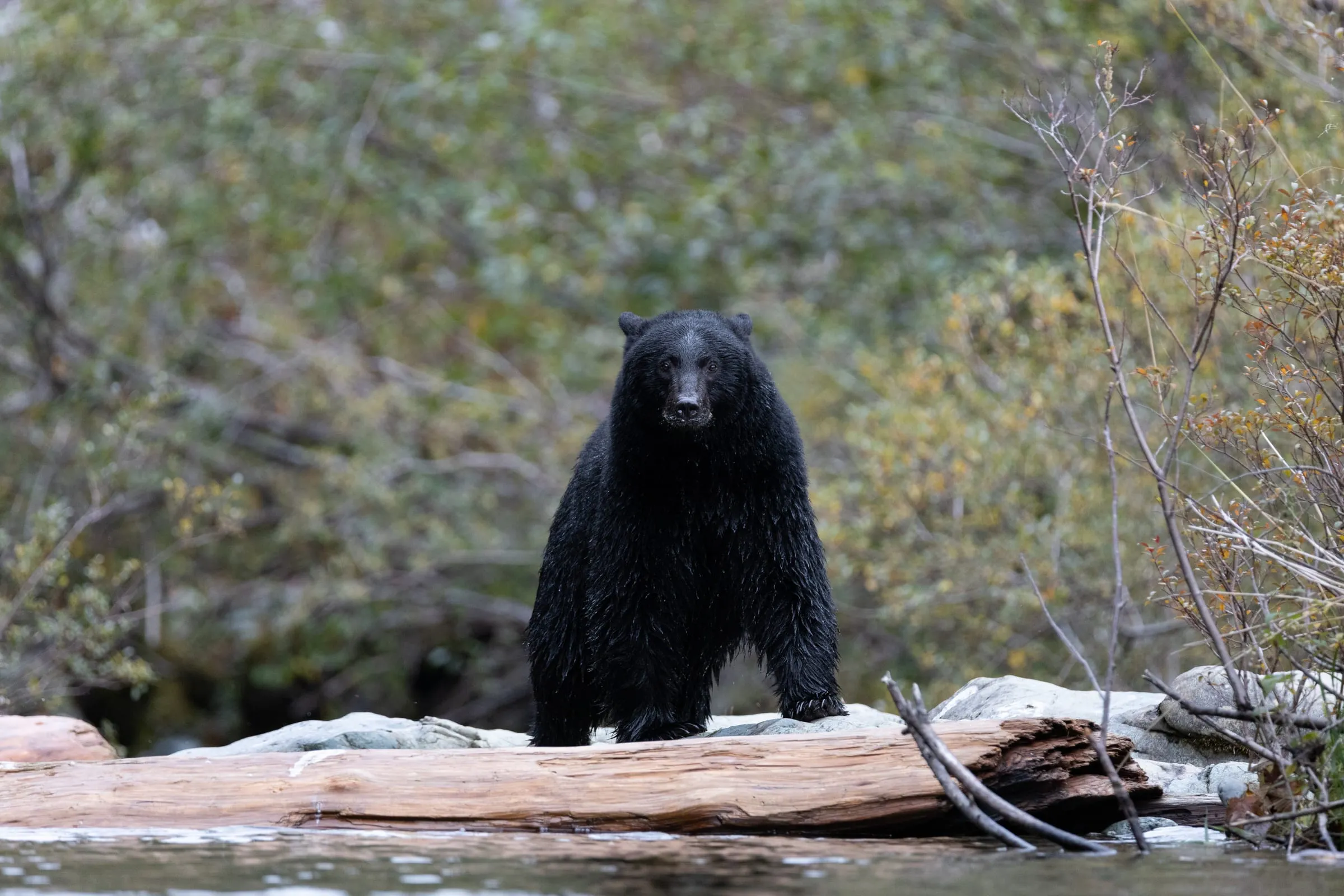
Advice from BC Parks:
If you encounter a bear:
- Stay calm
- If the bear sees you, talk in a low, calm voice and then regardless if it has seen you or not:
- Back up slowly
- Never turn your back on a bear, or run. Running could trigger an attack.
- Do not stare, the bear will see a direct stare as a challenge.
- Give it space
- Make sure it has a way to get away, and that you are not blocking access to a bear’s cubs or its food.
If a bear approaches you or charges:
Do not run!
Use your bear spray as it approaches
Make sure you know how to use bear spray
Play dead or fight back
- Defensive attack
- Usually, bears charge or attack because they are feeling threatened. Use your bear spray. If you don’t have bear spray and the bear makes contact with you – roll on your stomach, cover the back of your neck, remain still and play dead, they will lose interest and leave. Do not run!
- Predatory attack
- In rare cases, a bear may see a human as prey and stalk you along a trail. In these cases, try to escape into a building, car or up a tree. If you cannot escape and the bear charges, use your bear spray, lacking that, use anything at your disposal to fight off the bear (rocks, sticks, hiking poles).