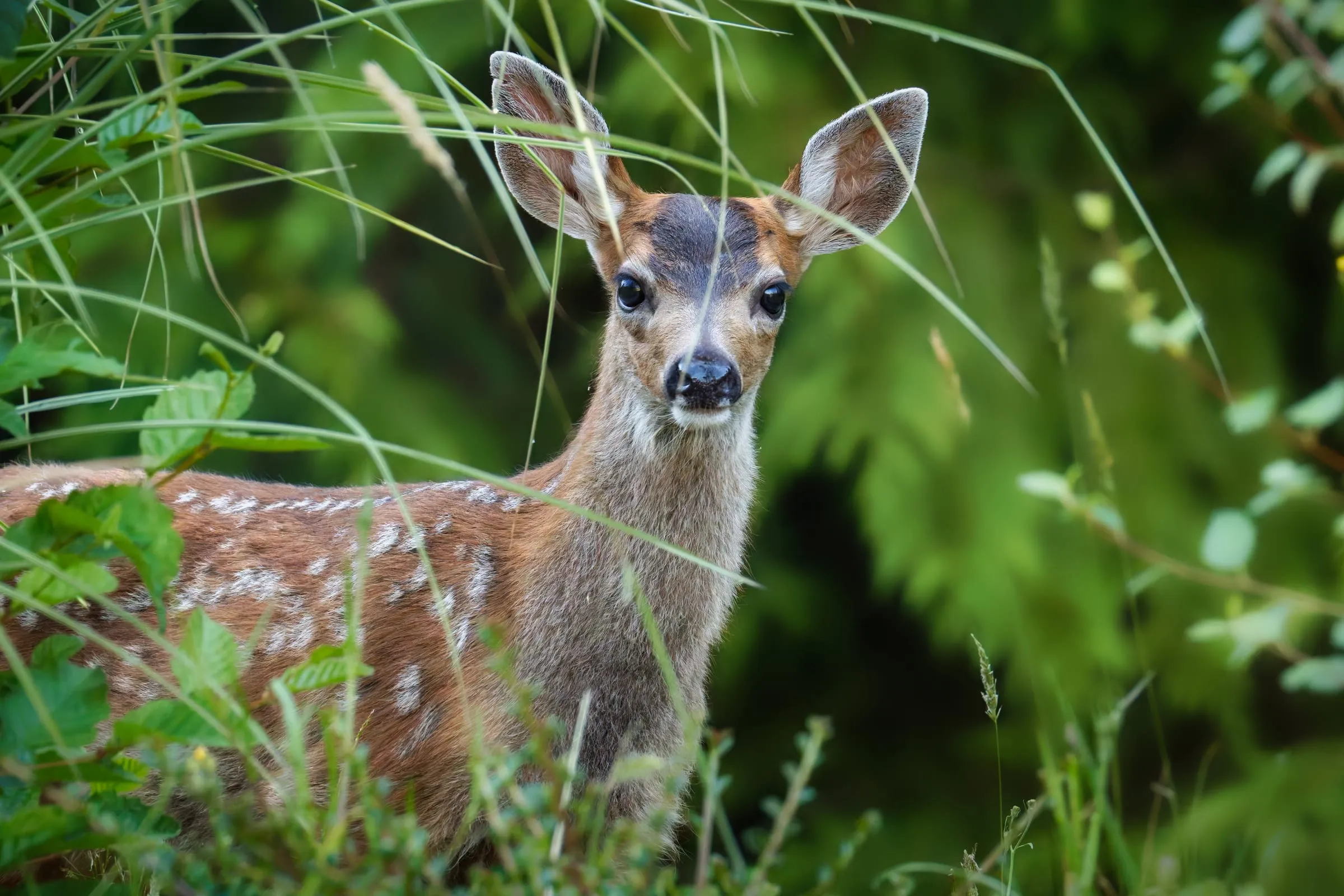
Found a Fawn
Don't be a fawn-napper!
If you are unsure if a fawn is in need of help, please contact our local wildlife rehabilitation centre before intervening.
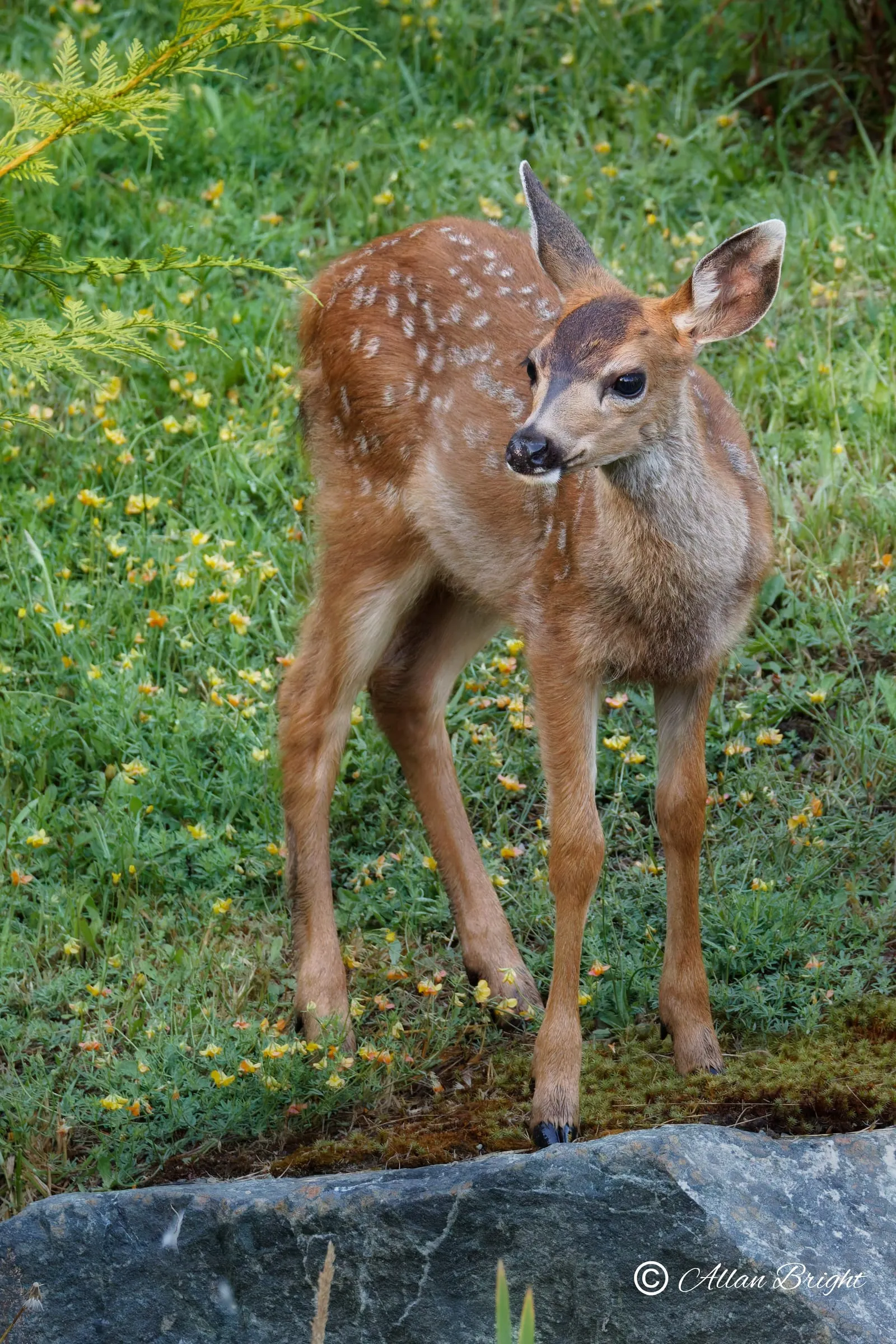
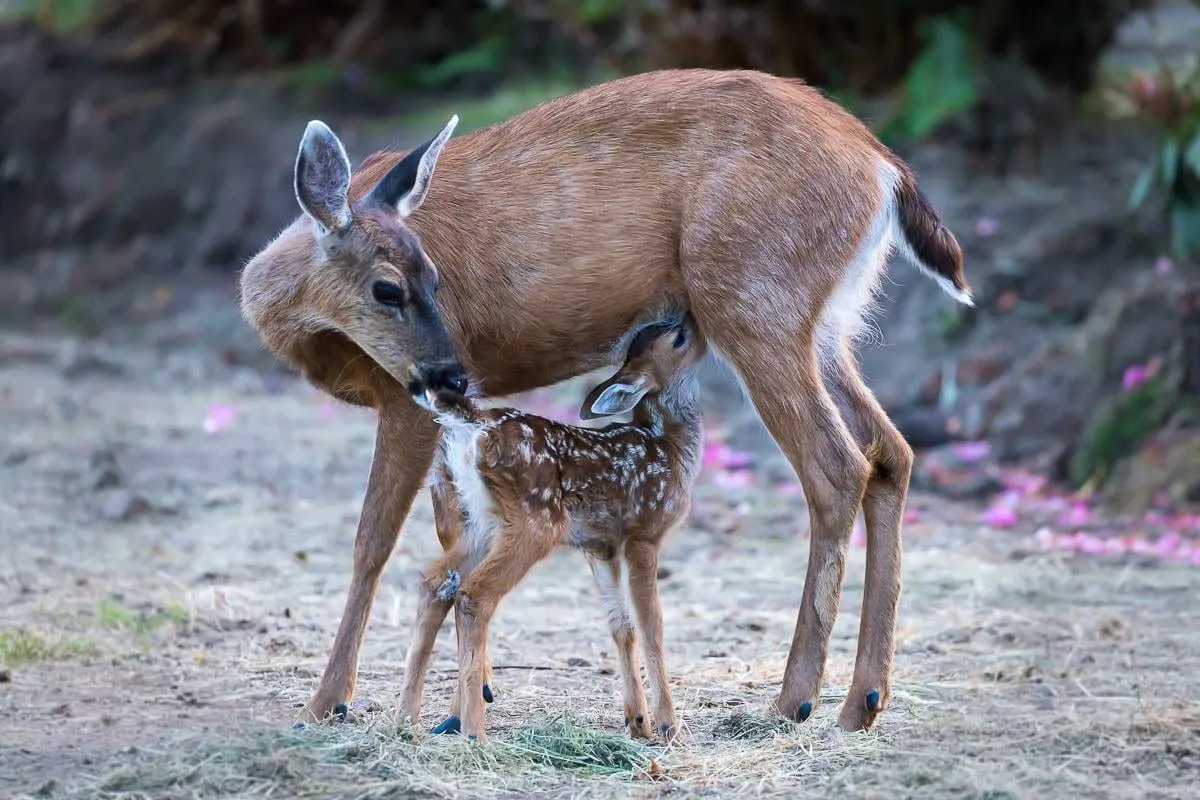
- Deer are crepuscular animals meaning they are most active at dawn and dusk.
- Little ones are not as fast as adult deer. Walking around in the open makes them susceptible to predation. They will instinctively lay down and be still if they are frightened or sense danger. This can be in less than ideal locations (ie. spooked by car on road)
- If you see a fawn that is visibly injured or in immediate danger, please call our local wildlife rehabilitation centre.
- Fawns will often be left for hours to hide in tall grass while mom goes off to forage.
- Fawns are born scentless so they can easily go undetected by predators.
- Mom will not return to baby until she feels it is safe to do so. She will not return if you are too close by. If you are concerned about a fawn, please watch from a distance.
Just because you don't see mom, doesn't mean she is not nearby